
Celebrating 11 Years of the Italian Film Festival
benvenuti
In our first year, we started with five cinemas, and in 2025, we will screen in 28 different cinemas around Aotearoa. We created an itinerant Festival spread over the entire year, so we could host Opening Nights and meet our audiences face-to-face. The hospitality, warmth and reception has been humbling. From the sustained official support of The Italian Embassy in Wellington to Italian businesses and societies to film-loving individuals, our Festival is buoyed by Italians and Italo-philes alike. We are grateful for the privilege of traveling around this incredible country to share the best of Italian cinema with you. It’s a lot of fun.
Molto divertente, grazie for your support!
Buon viaggio nel cinema.
Un enorme grazie
Paolo & Renee
-
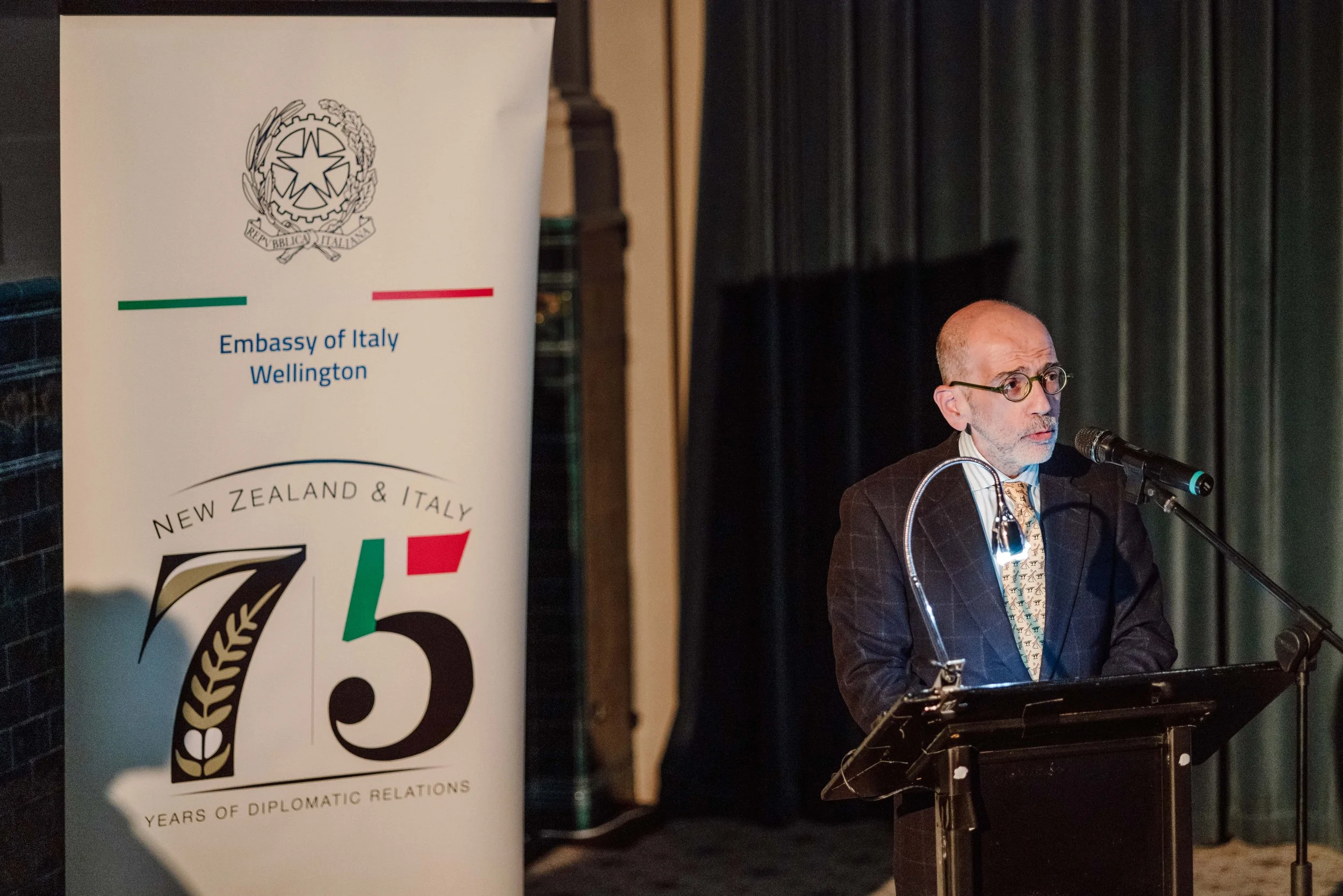
Embassy of Italy, Wellington
Cristiano Maggipinto
Ambassador of Italy
It brings me great joy to introduce this new edition of the Italian Film Festival, the 11th.Following last year’s remarkable milestone, which marked a decade of showcasing contemporary Italian cinema and timeless masterpieces across New Zealand, this new edition further cements the Festival’s standing as a distinguished cultural event and an eagerly anticipated fixture in New Zealand’s cultural calendar. Once again, it showcases the richness, diversity, and creative vitality of Italy’s film industry to New Zealand audiences.
Thanks to the vision and expertise of Paolo Rotondo and Renée Mark, the Festival’s greatest strength lies in its ability to accompany audiences on a true cultural journey. Cinema, after all, is a form of travel, which allows us to cross borders, eras, emotions, and perspectives, enabling us to encounter new worlds while reflecting on our own.
Throughout the year, in multiple cities across New Zealand, audiences are warmly invited to engage with the ever-evolving landscape of Italian filmmaking, discovering fresh creative voices, new artistic sensibilities, and stories that reflect the vibrancy of a sector that continues to renew itself while remaining deeply rooted in its identity and history. This extended and itinerant format not only makes Italian cinema accessible to a broad and diverse audience, but also offers a unique opportunity to immerse oneself in Italian culture and ways of life, serving as an important occasion for connection that extends far beyond the Italian community.
I would like to express my sincere appreciation to Paolo Rotondo and Renée Mark, whose dedication and vision continue to shape this initiative with passion and professionalism. The Festival’s success is also the result of a shared commitment and a collective effort. My gratitude extends to the Italian Institute of Culture in Sydney, the Italian Chamber of Commerce, Com.It.Es., the Società Dante Alighieri, the Embassy of Switzerland, and all partners and supporters whose contribution makes this cultural journey possible year after year.
Together with audiences across New Zealand, I look forward to being once again transported by this cinematic journey.
-
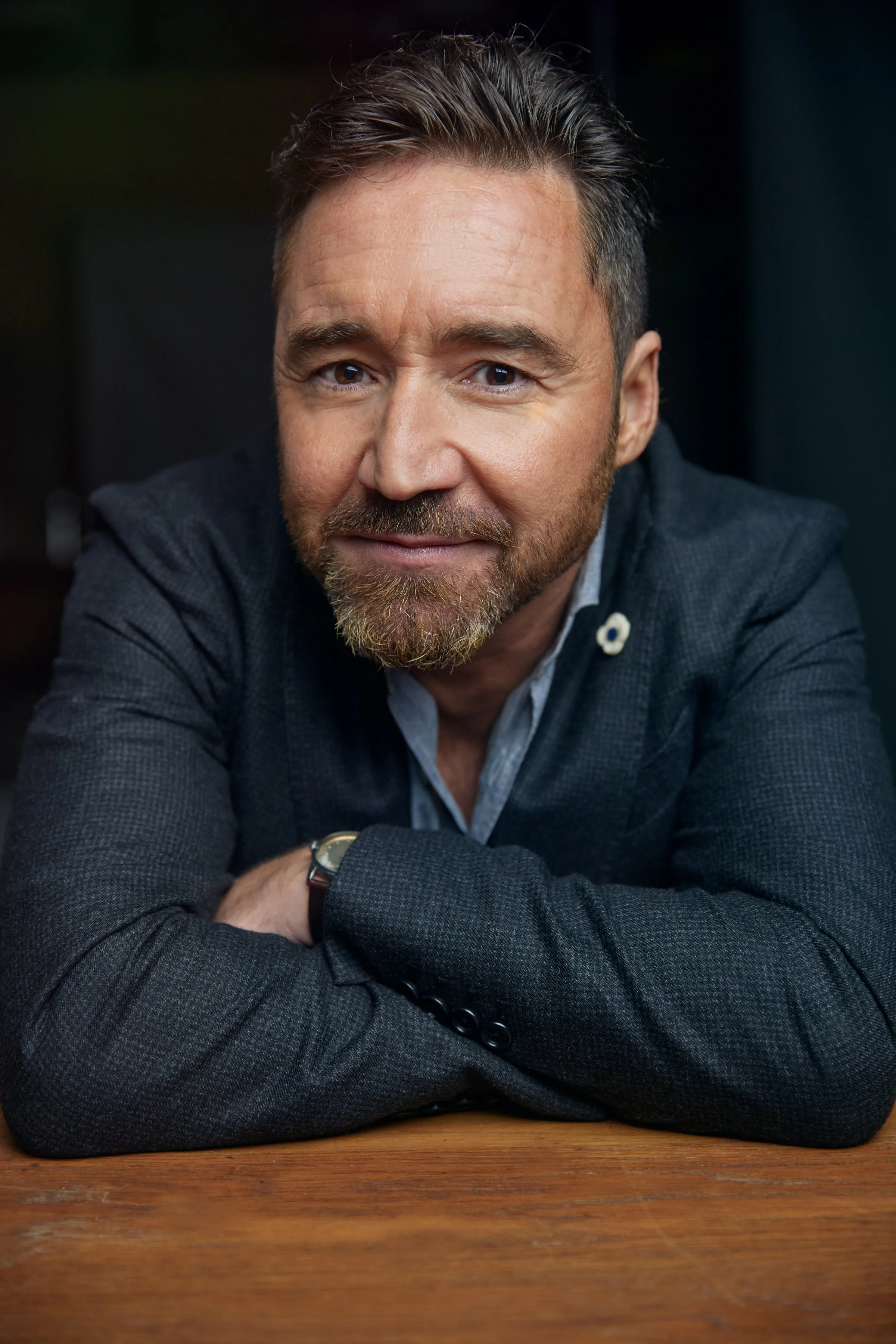
Paolo Rotondo, Artistic Director
IIt is impossible to be alive today and not notice the profound divisions that run through our societies. Events feel increasingly extreme, polarising us into opposing camps. It has become easier to issue swift judgments about good and bad, right and wrong, who is virtuous and who is guilty, than to pause and examine the complex circumstances. In an instant, we dismiss nuance, overlook context, and ignore the vast grey area in which real life truly exists.
Art can be an antidote to this division. Cinema, in particular, may be one of the greatest art forms we possess. Built on storytelling—the oldest and most powerful form of human communication—cinema is a magical amalgamation of literature, photography, performance, science, creativity, discipline and passion. Its ultimate gift is empathy. Through film, we are invited into lives that are not our own. We may laugh, cry, ache with, feel exasperated by or be inspired by people of different ages, genders, cultures and experiences—people different from ourselves. It feels deeply necessary today.
Elio Germano (The Great Ambition, Sicilian Letters), Cannes Best Actor winner, once said: “Acting should be taught in schools, because practising putting ourselves in other people’s shoes would make us a better society.” The films we have programmed this year will offer audiences a balm for these lacerating times.
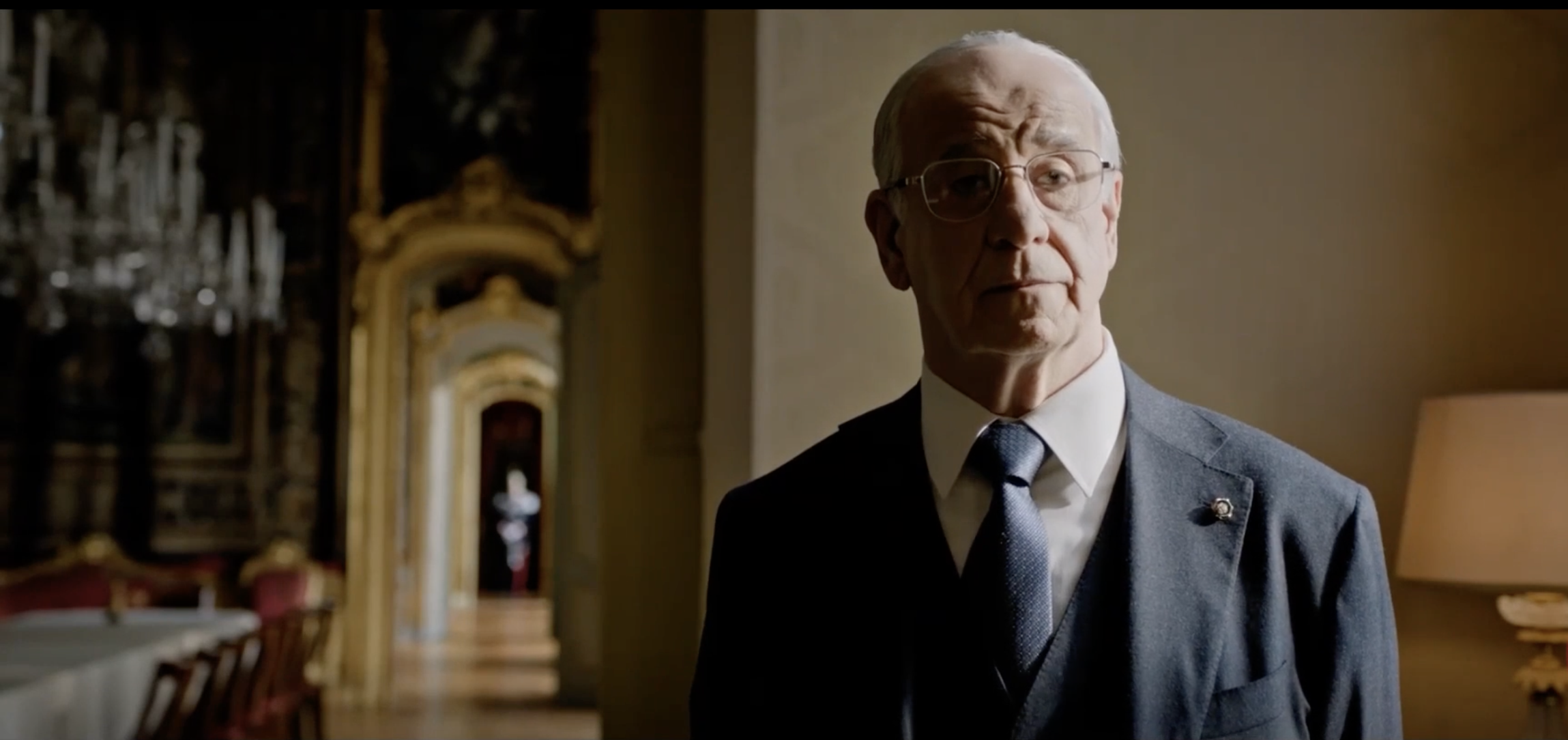
Amid widespread disillusionment with democracy, we present two films set in different eras that explore leadership rooted in integrity. In The Great Ambition, Italy’s charismatic Communist leader of the 1970s stands up to the Soviet Union and refuses to abandon his ideals for power. In Paolo Sorrentino’s masterful La Grazia, Toni Servillo portrays an Italian President wrestling with his ethics as history presses in. One cannot help but feel the divide with certain contemporary leaders.
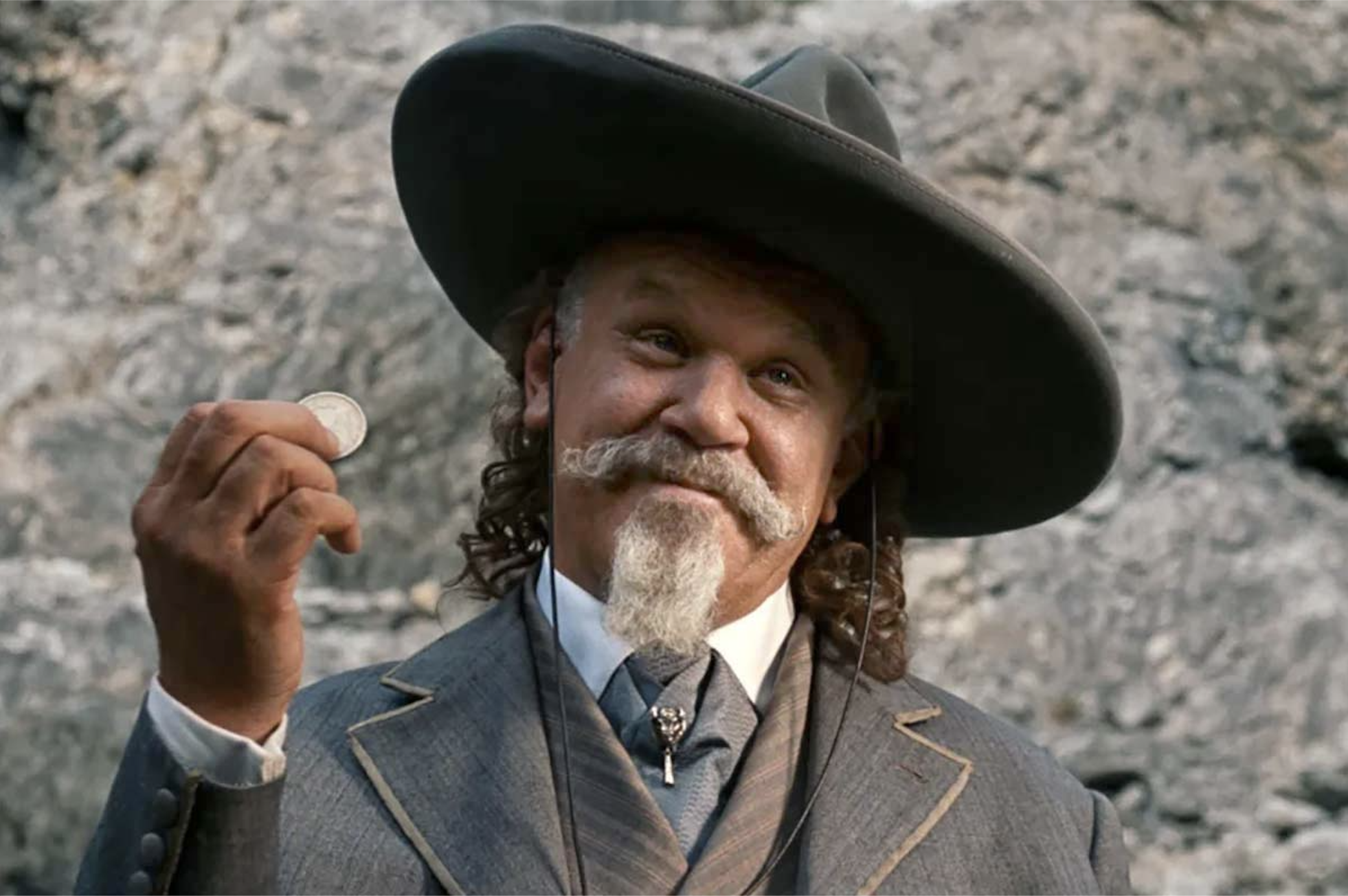
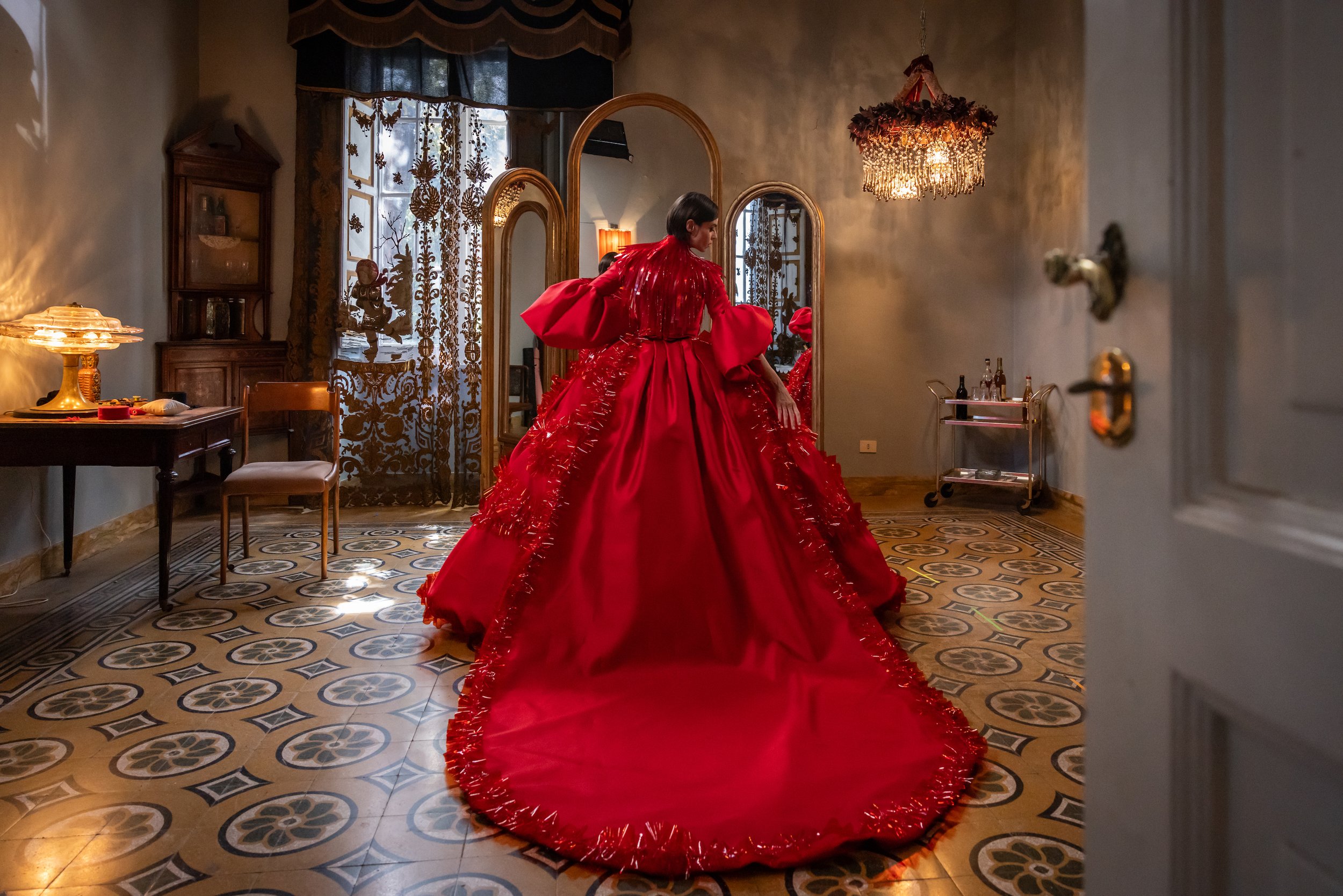
In Napoli–New York, the illegal immigrants arriving in America are two Neapolitan children orphaned by the devastation of World War II, a reminder that, unless we are Indigenous, we are all immigrants in the New World. In the glamorous Diamonds, we celebrate elegance, craftsmanship and an industry led entirely by women. In Sergio Leone’s Masterpiece Once Upon a Time in the West, new railway technology unleashes violent greed—an unsettlingly familiar story.
Italian cinema has never shied away from life’s mysteries and contradictions. Yet it confronts them with humour, intelligence and unmistakable artistry and style—and, ultimately, with hope.
Finché c’è cinema, c’è speranza. As long as there is cinema, there is hope.